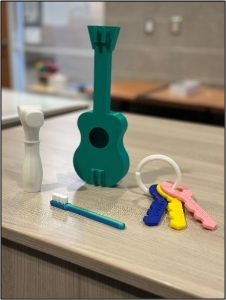
Meaningful library collections don’t just happen. Collections require intentional development and maintenance to stay relevant, engaging, and aligned with the needs with community they serve. During a meeting with the School of Education in the Fall of 2024, a clear consensus emerged: our Juvenile Collection had grown outdated, limiting its usefulness to students and faculty. Together, we decided it was time for a refresh, starting with a comprehensive review of every item published before the year 2000.
With almost 4,000 titles identified, the scope of the project was massive. To tackle this project efficiently, we designed a workflow to assess each book not just for physical condition, but for relevance to the current curriculum, including not just Education, but also Speech-Language Pathology, and Psychology & Family Sciences.
Library faculty started the physical review process in February 2025. The review is on track to wrap up by the end of this summer. Along with identifying worn-out or outdated materials, a major goal was to identify gaps in our holdings and recommend new titles to better serve our students and faculty. Over 200 new items have been purchased to refresh the collection. These new additions place an emphasis on current trends in education, such as STEM and social-emotional learning, to provide students with relevant tools to use in their classrooms. To ensure the refreshed collection meets everyone’s needs, we sought suggestions for purchase from faculty members in various departments.
While reviewing thousands of books takes a long time, the process has been incredibly rewarding, yielding some delightful surprises along the way:
- Special Collections Treasures: Eighteen unique items were identified as important additions to Special Collections. Among them is White Reindeer by Neill James, an accomplished MUW alumna.
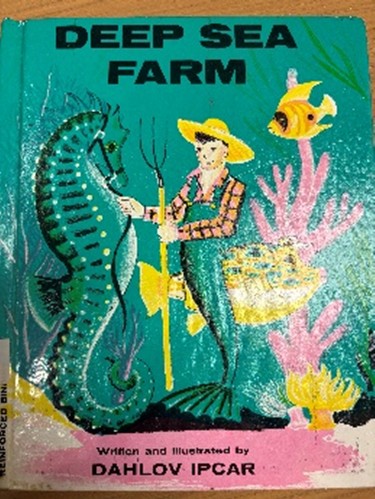
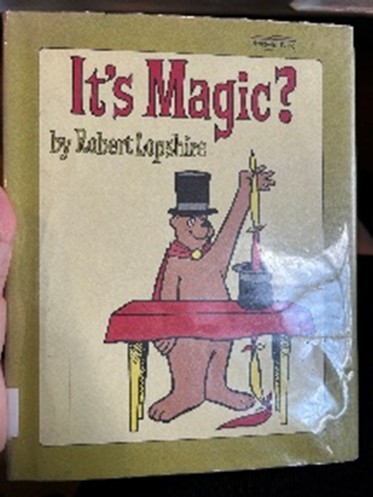
- Fun Discoveries: We encountered some fun, quirky older titles during the search, including Deep Sea Farm and It’s Magic?.
- Replacing the Classics: The review allowed us to identify and reorder fresh copies of timeless classics such as Black Beauty, Charlotte’s Web, and Frog and Toad are Friends, among others.
As an unexpected side benefit, the physical collection is now significantly more organized, making it much easier and more inviting for students and faculty to browse. From picture books to graphic novels, we have something for each level of child development. We hope to see you all perusing our rejuvenated juvenile collection.