Fant Memorial Library Strategic Plan
Vision Statement
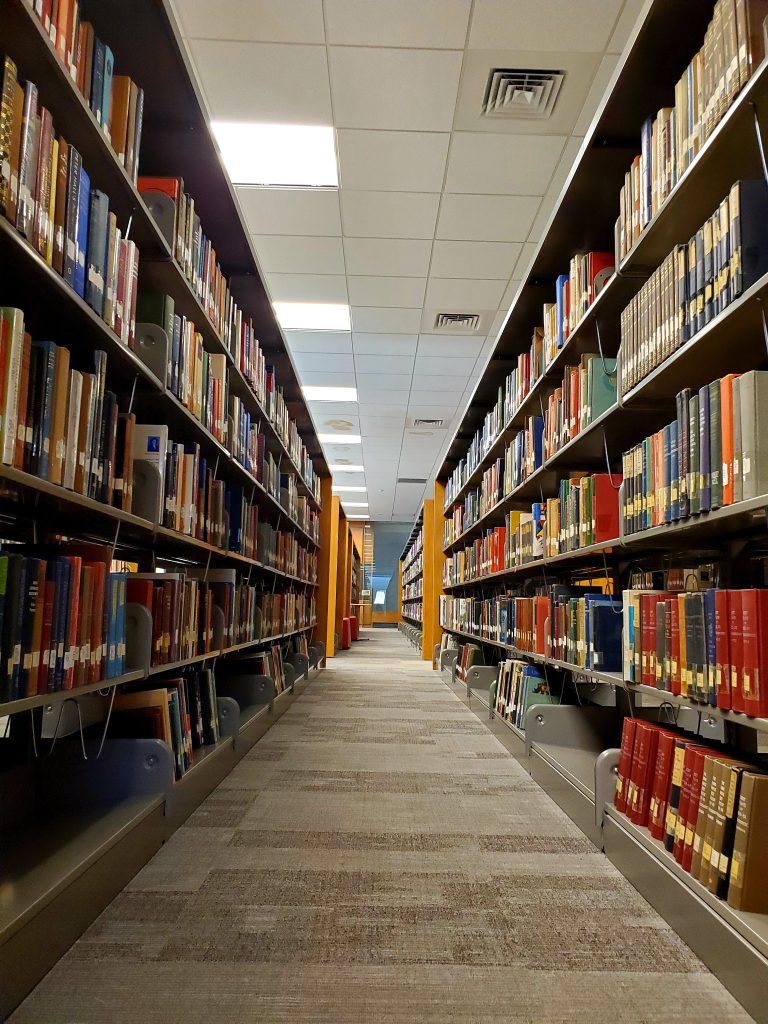
Fant Memorial Library aims to be the heart of campus, where students, staff, and faculty feel welcomed, represented, celebrated, challenged, and engaged.
Mission Statement
Fant Memorial Library is committed to bringing inclusive, targeted resources and services to our campus community that facilitate excellence, inspire leadership, and enable a personalized learning experience. To that end, we provide technologies, materials, spaces, expert support, and compassionate service to further classroom explorations and stimulate intellectual and cultural curiosity.
Values
The following values have guided our development of the 2026-2031 strategic plan:
- Access and Equity – the library is a welcoming space to everyone
- Academic Freedom – the library encourages people to cultivate curiosity and form ideas by questioning the world and accessing information from diverse viewpoints and formats without restrictions or censorship.[1]
- Public Good – the library provides the highest service levels to create informed, connected, educated, and empowered communities.[2]
- Creative problem solving – the library collaborates, communicates, and innovates with campus partners to achieve its goals and move forward
- Sustainable growth – the library seeks to evolve and grow with its community and environment, taking care to acknowledge limits and make purposeful decisions
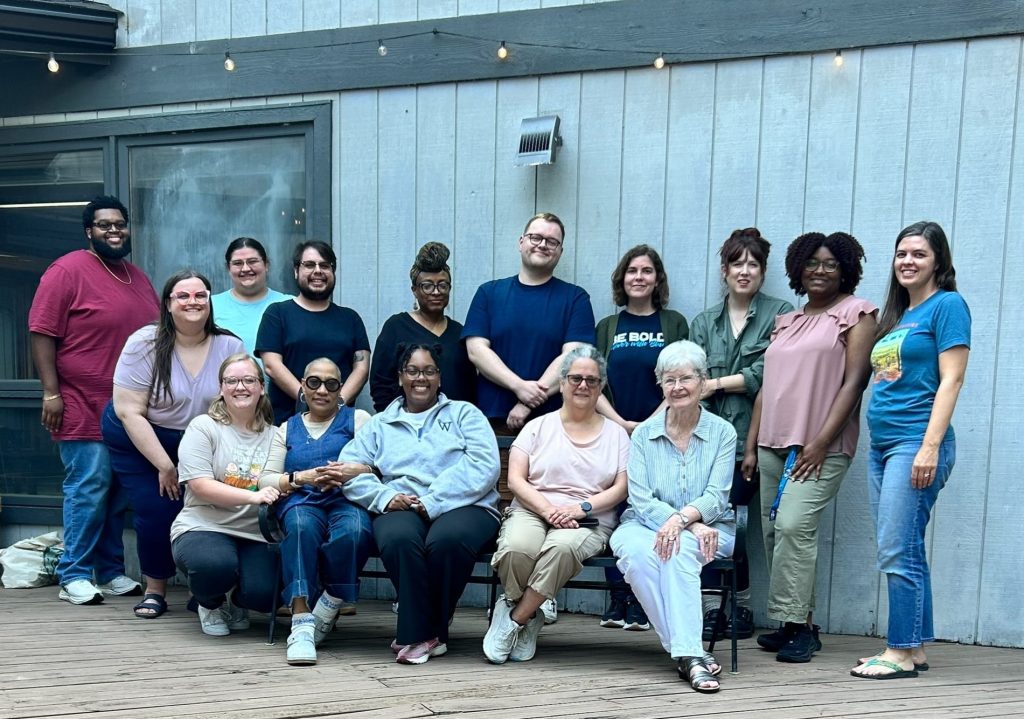
- Teamwork – the library values communication, collaboration, and supporting each other, both within the library and beyond its walls
[1] From ALA’s Core Values of Librarianship
[2] Ibid.
Fant Memorial Library Strategic Plan, 2026-2031
For The W’s corresponding strategic plan, please visit muw.edu/pie/strategicgoals/
To download the full text of the strategic plan, visit Athena Commons
Fostering Intellectual Engagement

The Library is a place of intellectual engagement, and is committed to offering spaces, materials, and services that support, enhance, and facilitate teaching, learning, and creating knowledge. In addition to a repository for knowledge, the Library will seek active ways of engaging the campus and community with tools and resources.
A. We will connect campus to educational resources by:
- Offering, investigating, and facilitating discovery to scholarly resources for faculty that encourage teaching, learning, and research
- Offering services to students to develop and enhance a variety of literacies on campus
- Tailoring information literacy instruction to curricular and campus needs
- Sharing organized and curated materials for targeted groups’ specific needs
B. We will initiate opportunities for knowledge creation and sharing by:
- Offering high impact learning experiences within the library
- Providing access to technologies that further the university’s mission to explore new and developing research methods and tools
Demonstrating Our Value
The Library deeply understands the value (ethical, theoretical, and financial) of information[1] in a rapidly changing environment, inundated with information of vastly varying quality, cost, and availability. Libraries are often competing with resources that appear more convenient or seem to require less effort, and have recently faced more public scrutiny than previously. In order to demonstrate the value of libraries as a hub for engagement, information access, and student success, the Library will invest time and energy to communicate its value to the campus and community.
[1] See “Information Has Value,” ACRL’s Framework for Information Literacy for Higher Education
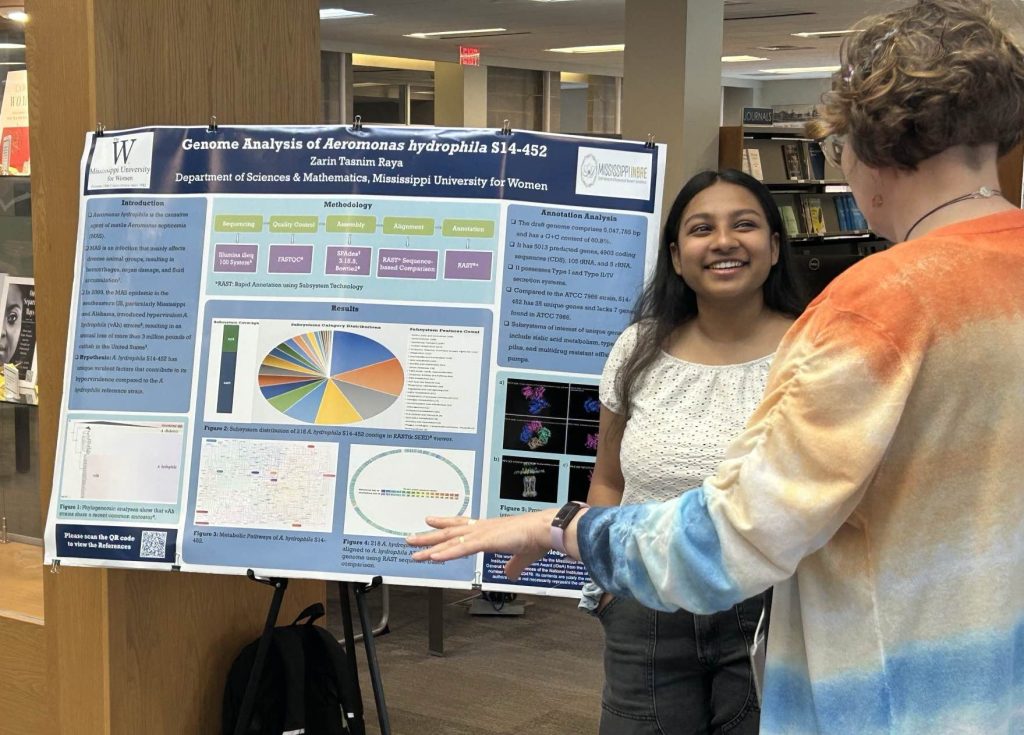
A. We will raise awareness of new and existing library services, programs, and resources by sharing them through a variety of modes to campus and community by:
- Regularly communicating updates to and features of our collections, services, and departments to campus and wider communities in a variety of modes
- Providing clear and consistent messaging to market existing services and resources to targeted constituencies
B. We will underscore the value of libraries within the institutional mission to campus and community stakeholders by:
- Connecting library initiatives to evidence that demonstrates measurable student learning, engagement, and success outcomes
- Supporting faculty advancement
- Regularly assessing library programs and offerings
Strengthening Campus and Community Relationships
Libraries continually strive to mirror their collections, services, and mission after the people who use them. In order to remain a central partner in intellectual and cultural growth for our campus and communities, we will focus on strengthening current relationships and building new ones through ongoing initiatives, collaborations, events, and opportunities.
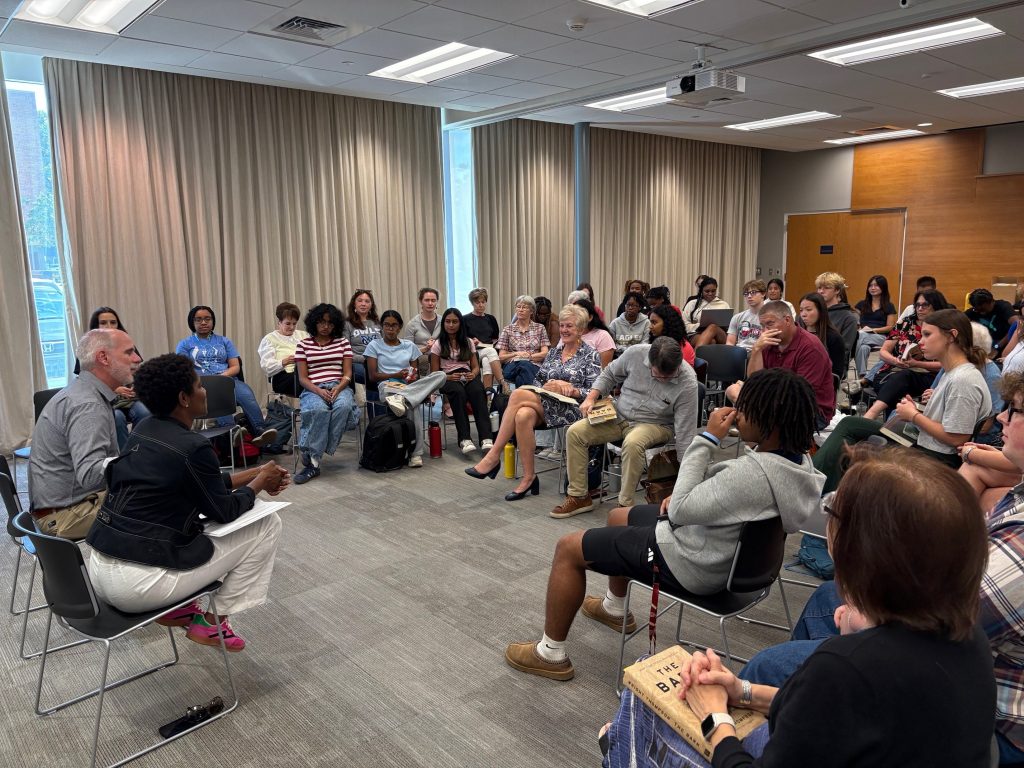
A. We will provide personal connections to campus units, including the Mississippi School for Mathematics and Science (MSMS), by:
- Providing direct, intentional outreach to faculty and staff groups
- Providing direct, intentional outreach to student groups
B. We will encourage opportunities for collaborations and partnerships within campus and community groups through:
- Inviting participation and engagement among campus and public audiences in library-led initiatives
- Seeking opportunities to partner with community groups
C. We will continue to strengthen relationships within our library to foster collaboration, build staff development, and grow opportunities for workplace wellness by:
- Encouraging collaboration and celebrating accomplishments among faculty and staff
- Creating opportunities for library faculty and staff to cultivate joy and elevate quality of work-life
Sustainability
Libraries are nimble, adaptive, and accommodating, even in the face of limited resources. In order to remain a central part of our campus community, we will adopt socially equitable, financially sustainable, and environmentally sound practices[1] that are grounded in sustainable philosophies.
[1] From “Triple Bottom Line,” Sustainable Libraries Initiative and ALA’s Sustainable Libraries Resource Guide
A. We will ensure equity of accessibility for library spaces, resources, services, and programs by:
- Working to identify and address potential barriers for access to physical and digital spaces, services, and resources
- Developing materials, spaces, and collections that support learners of all backgrounds
B. We will create pathways for long-term financial sustainability by:
- Assessing resources and spaces for longevity and/or growth
- Seeking alternative funding or payment opportunities
- Prioritizing local and regional partnerships for investing time, energy, and funding
C. We will participate in environmentally sound practices by:
- Reusing and repurposing materials where applicable
- Contributing to local and campus sustainability initiatives when appropriate