A summer of science: graduate represents The W in research and advocacy
Most college graduates spend the weeks after commencement celebrating and preparing for what’s next. Since earning his degree from Mississippi University for Women, Ethan Wilkins has conducted cystic fibrosis research, presented his findings at a national conference and advocated on Capitol Hill for continued federal research funding.
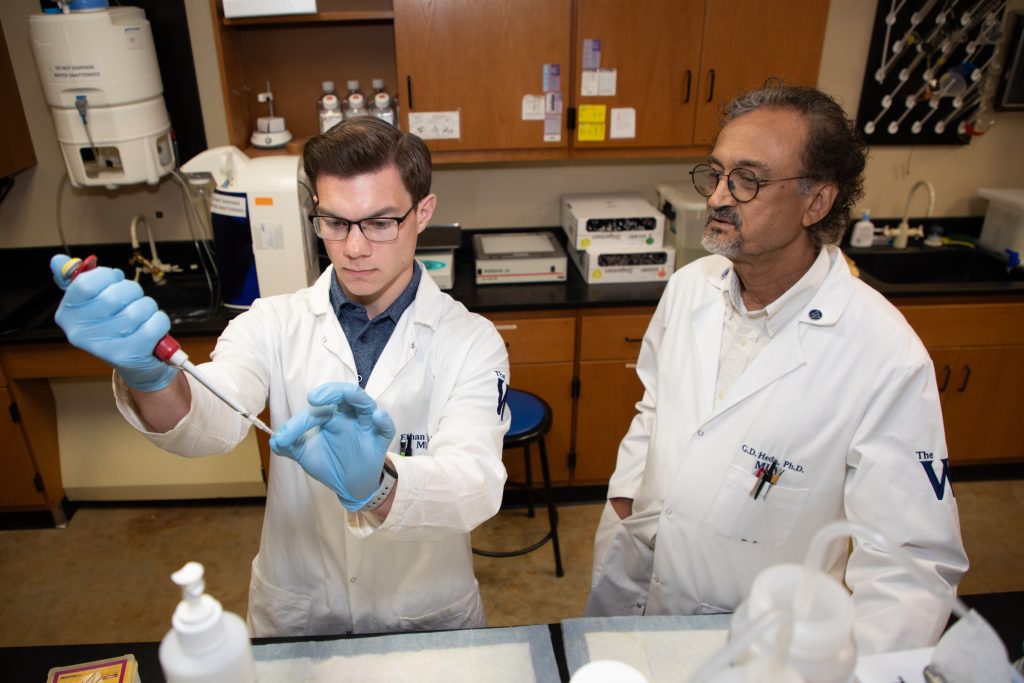
A longtime member of the Heda Lab, an undergraduate research laboratory at The W, Wilkins spent six weeks this summer studying the expression of the Cystic Fibrosis Transmembrane Conductance Regulator (CFTR) protein, mutant copies of the CFTR protein which cause cystic fibrosis. His research is supported by grants from the Mississippi INBRE, funded by National Institutes of Health, and Mississippi Research Alliance, funded by National Science Foundation.
From June 14-17, Wilkins was one of only two Mississippi students selected to attend and present research at the 10th National IDeA Symposium of Biomedical Research Excellence (NISBRE 2026) held at Rockville, Maryland. The national conference is a premier event showcasing the scientific and training achievements of the National Institute of General Medical Sciences (NIGMS) IDeA program.
“A lot of people were interested in what we are doing and asked questions about how this research could influence future cystic fibrosis treatments,” Wilkins said. “There were only two student representatives from Mississippi at the conference, so it was an honor to represent both The W and our state.”
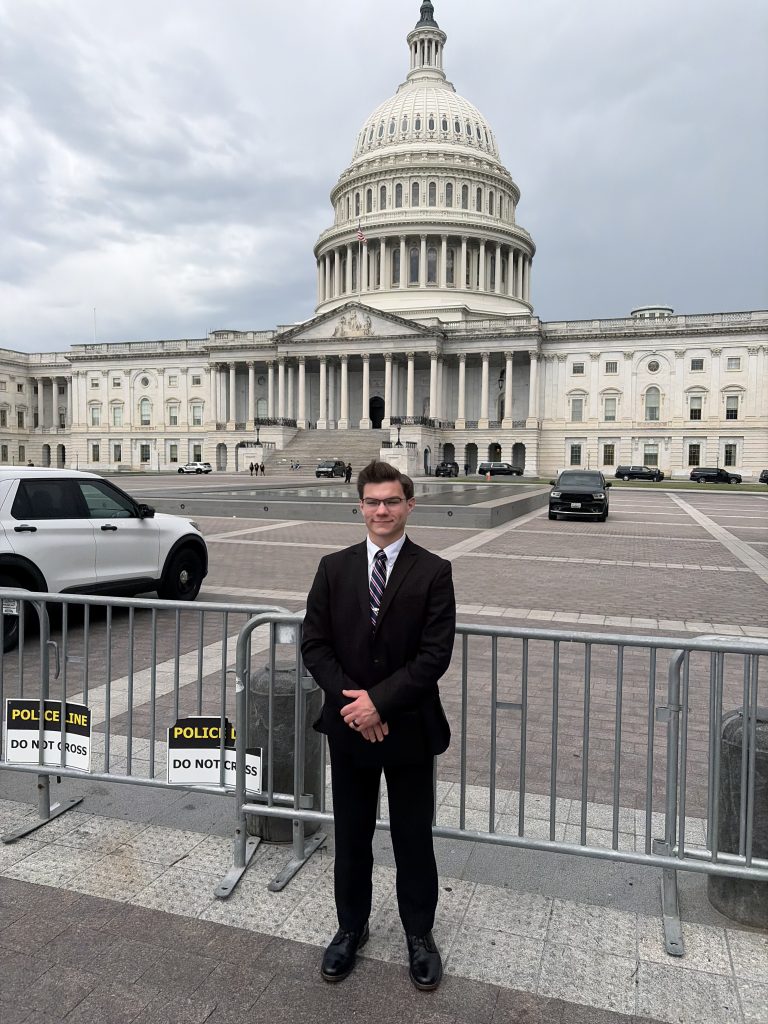
Immediately following the conference, Wilkins traveled to Washington, D.C., to participate in Science on the Hill, held June 17-18. According to the organization’s website, Science on the Hill brings together scientists, lawmakers and congressional staff members to discuss current issues affecting biomedical research.
“My job was to tell my story and show how this funding has helped me through the process — from conducting undergraduate research at The W to preparing for medical school,” Wilkins said. “When funding bills come up, we want congressional leaders to understand exactly how these programs impact students and universities.”
Meeting with members and staff from Mississippi’s congressional delegation, Wilkins found participants to be welcoming and engaged.
“The funding creates opportunities for students to gain research experience and discover what they want to do professionally,” Wilkins said. “These programs impact students, faculty research and institutions like The W on multiple levels.”
Dr. Ghanshyam Heda, professor of biology at The W and founder of the Heda Lab, has personally overseen Wilkins’ research for the past two years.
“Research grants from external agencies such as Mississippi INBRE, NASA and the National Science Foundation provide substantial benefits to the university, faculty researchers and students alike,” Heda said. “My lab, since its establishment in 2009, has been fortunate to attract brilliant students like Ethan. He joins a distinguished tradition of student success from the Heda Lab.”
Heda frequently highlights the benefits of undergraduate research opportunities and welcomes all students to participate.
“Participation in laboratory research provides students with experiences that extend far beyond the traditional classroom and often plays a transformative role in shaping their professional careers,” Heda said. “Ethan will become the seventh student from the Heda Lab to attend medical school. Several other former students have either completed or are currently pursuing doctoral degrees at highly respected universities across the country and abroad.”
In addition to his research and advocacy efforts, Wilkins was recently married in June to W alumna Randi Johnson (’25) and will begin medical school in July at the University of Alabama at Birmingham’s Heersink School of Medicine.